Well-pruned shrubs can help a garden feel tidy and organized, but along with the right tools and technique, you also need to get the timing right. If you prune a plant when you are not meant to, you may lose the following year’s blooms and, even worse, cause damage and perhaps lose it.
From leaving shrubs already forming new buds to preventing new growth from succumbing to an early frost, I, over my nearly 20-year horticultural career managing private and municipal gardens, have learned the hard way what not to prune in August so you don’t have to.
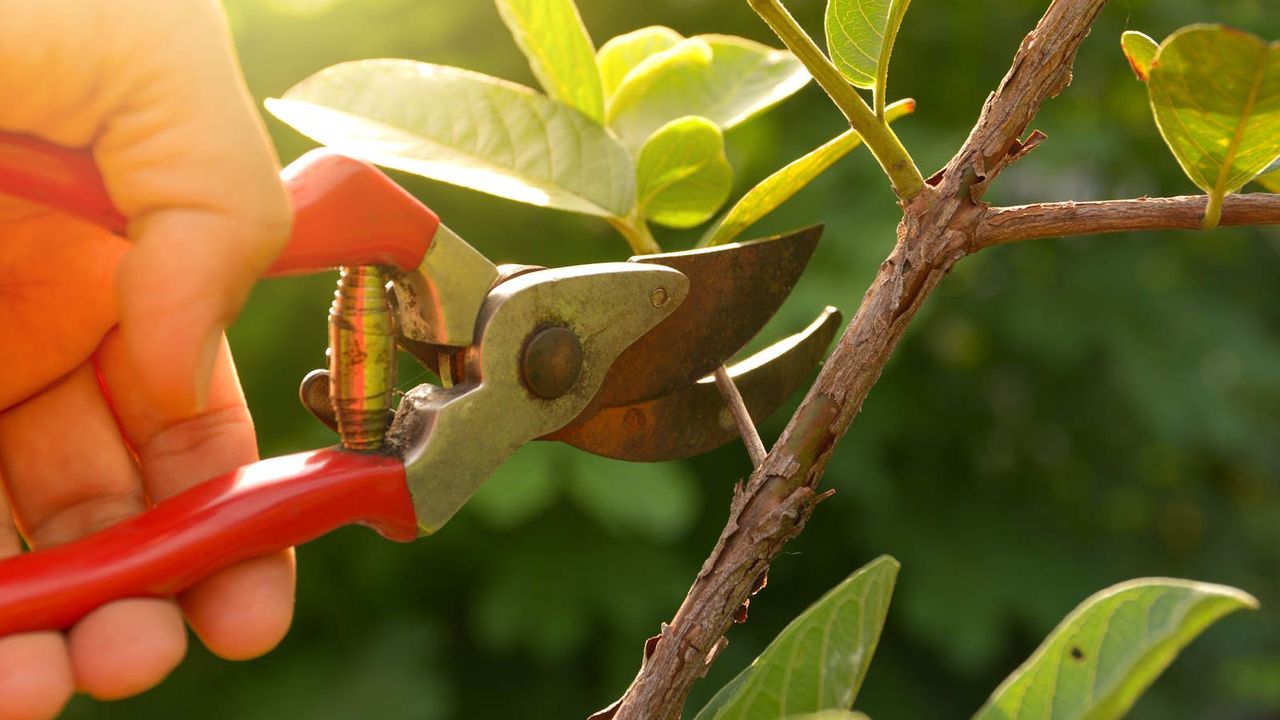
With some pruning off the cards, you can instead focus your time on harvesting fruit, vegetables, cut flowers and planting this August. However, if you feel the urge to prune, now is the ideal time to tidy any rambling roses or wisterias using some sharp and clean pruning shears, like these Okatsune 103 Bypass Pruners from Amazon.
Shrubs not to Prune in August
August can be a hot month with many of us experiencing successive heatwaves. Pruning in a heatwave is rarely recommended, not least because of the strain on the gardener, but also because it can cause plants and shrubs more stress than they are already under.
During hot and dry spells, plants do not need the added demand of developing new growth, and, furthermore, if pruned, the burning sun can scorch any previously hidden tender growth.
Secondly, any spring-flowering shrubs should be left well alone, as pruning will most likely remove the flower buds already forming, resulting in little or no blooms next year.
Additionally, you do not want to prune any shrubs that produce berries around this time, as not only will you be reducing your garden’s winter interest, but also the wildlife’s winter food sources.
Flowering Currant
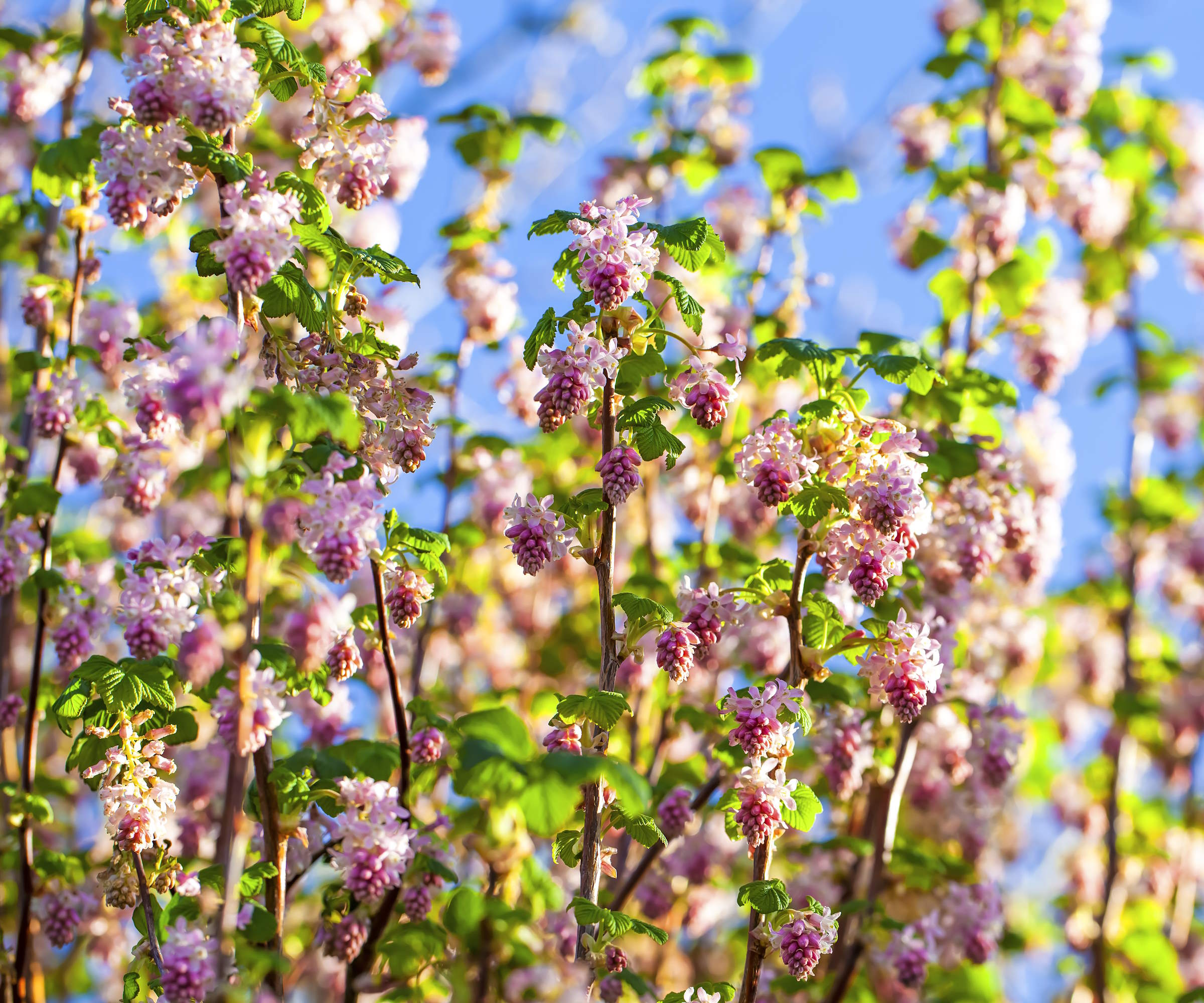
The first of our shrubs never to prune in August is the flowering currant, or Ribes Sanguineum as it is botanically called. Native to western North America, the flowering currant is a spring-flowering shrub that provides an important early source of nectar for bees and other pollinators.
Growing up to 10 feet tall and 8 feet wide, it produces bright red or pink clusters of flowers in March to April and dark blue-black berries. Flowering on the previous year’s growth, to avoid losing next year’s blooms, pruning should be completed immediately after flowering.
Labelling shrubs may seem unnecessary, but in winter when the flowers are gone and the stems are bare, a label bearing the variety or cultivar can be a helpful reminder to both the gardener and visitors. If space allows, noting when to prune certain shrubs can also help prevent costly mistakes.
Aluminum Plant Labels are available to purchase from Amazon.
Witch Hazel
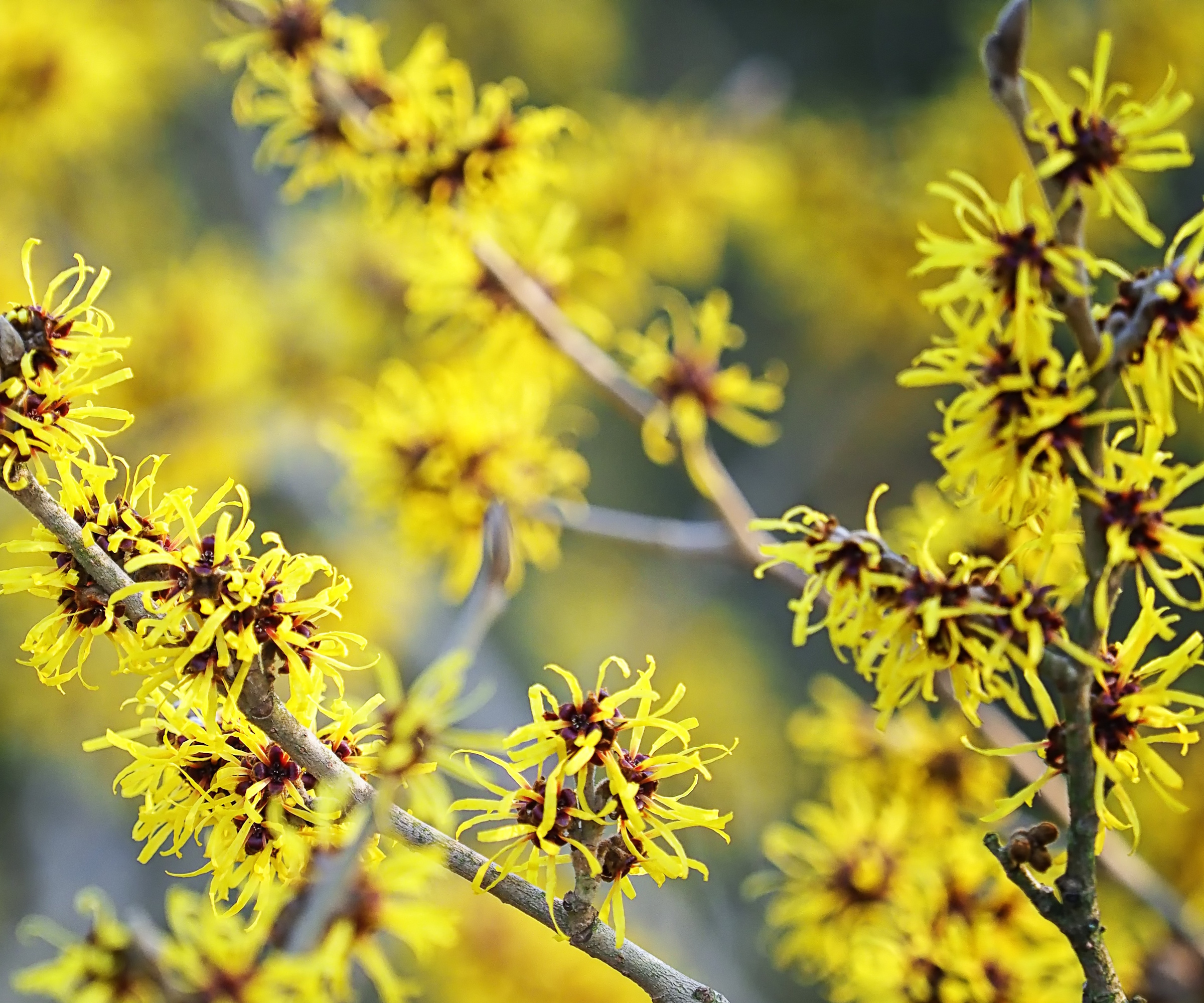
Delivering scent and color when little else does, witch hazel (Hamamelis) is an ideal shrub for winter and early-spring interest. It produces unusual-looking spider-like flowers on bare branches in vivid hues of yellow and orange and later in the year, oval leaves that provide fall color.
A slow-growing shrub, pruning is not essential other than to lightly shape and remove any dead, damaged or crossing branches. Nevertheless, witch hazels flower on old wood, so any pruning should only be performed right after flowering.
Gardening books on pruning techniques can not only help you keep your garden looking good but also give you the confidence to try out a new method. As a junior gardener, I remember often referring to a dog-eared book before pruning a new species or variety. The latest edition (2025) of RHS Pruning and Training: What, When, and How to Prune by Christopher Brickell and David Joyce is available to purchase from Amazon.
Daphne
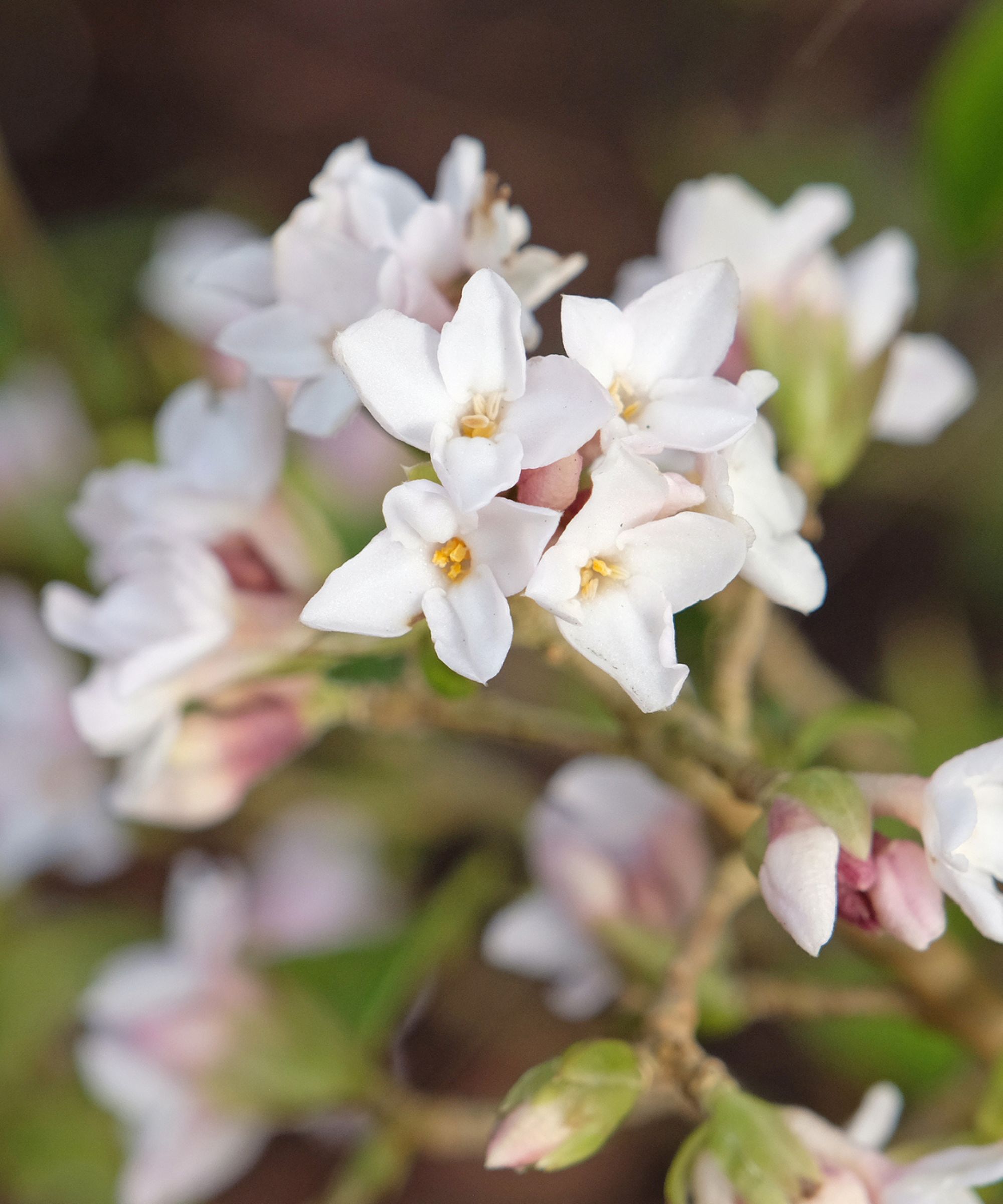
With its delicate pale pink flowers and delightful scent, there should be a place in every garden for a Daphne. However, being a slow-growing shrub, growing a daphne can be a long-term investment, but in my eyes, one that is definitely worth taking.
Daphne odora and Daphne bholua are varieties to choose for late-winter blooms, but repeat-blooming hybrids are also available for flowers later in the year.
Having a reputation as hard to grow, daphnes do not like to be moved once planted and do best in partial sun and a sheltered spot.
Daphnes should never be hard-pruned, as they are unlikely to recover and generally only require light shaping after flowering and the removal of any dead or damaged wood. Furthermore, being a sensitive shrub, pruning in August may stimulate tender new growth that could be damaged in an early frost.
Wearing protective gloves whilst gardening is always a good idea, but especially when working with daphnes, which are toxic to humans and animals; ingestion is poisonous, and handling plant materials can cause skin irritation. Gloves, such as these leather gardening gloves, are available from Walmart.
Miscanthus
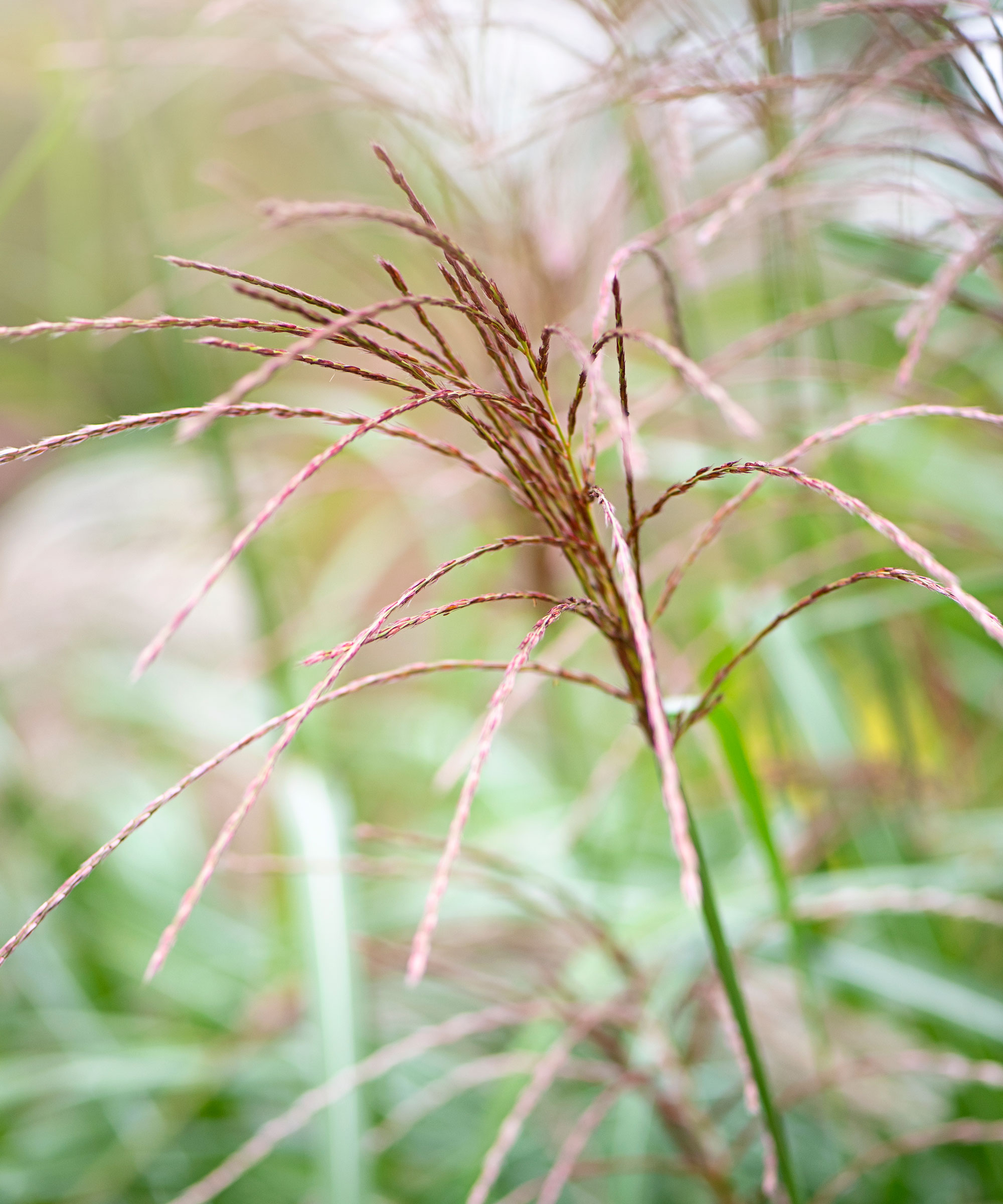
Although technically not a shrub, I am often asked whether late summer is a good time to cut back miscanthus and other ornamental grasses. Commonly known as Chinese silver grass, miscanthus varieties are ideal for maximizing the golden hour and are grown for their striking, arching foliage and feathery seedheads that develop around late summer.
Miscanthus grasses are easy to grow and low-maintenance, but they do require pruning annually to keep them in check. You can prune back the old growth in late winter or early spring, with February to March being my preferred time, just when the new green growth begins to appear.
Even though you may feel an urge to tidy up these often-large grasses at the end of summer, if you do prune them, you will miss out on their delightful fall display and potentially remove habitats and sustenance for the local wildlife.
Come early spring, tie up the old foliage with twine or rope and cut it all back to around 8-10 inches above soil level, using a sharp pair of pruners or a sickle, such as this lightly serrated harvest sickle available to purchase from Amazon.
Weigela
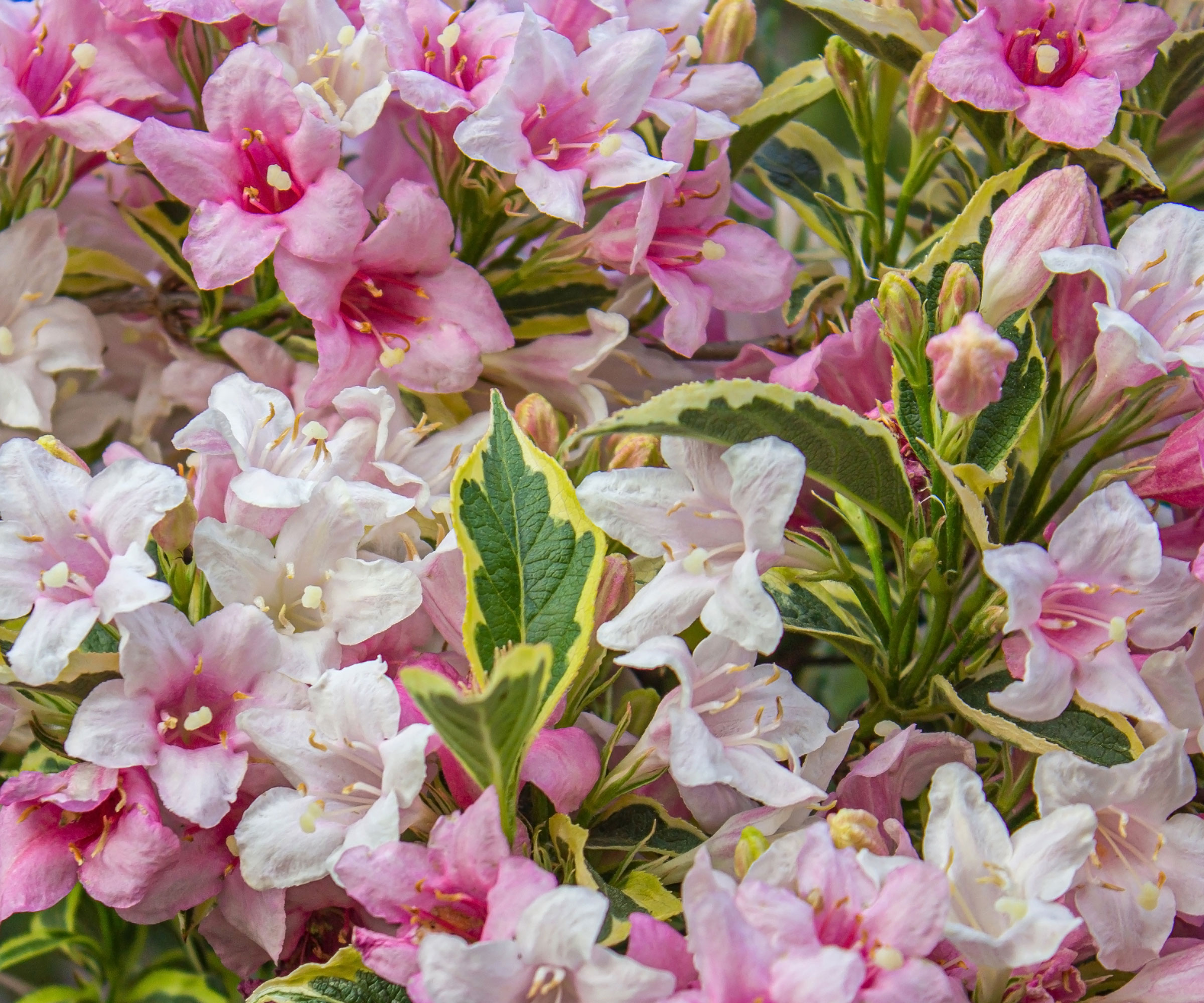
Widely grown, weigelas are prized for their trumpet-like flowers, which bloom from spring until summer. A low-maintenance and fast-growing shrub, weigelas are ideal for a border, and some dwarf cultivars are suitable for containers.
As a fast-growing plant, weigela will benefit from regular pruning to keep it at a manageable size and shape. Dead or damaged wood can be removed at any point in the growing season, but its annual pruning should be carried out immediately after it has finished blooming, so as not to lose next year’s flowers.
Pearl Bush
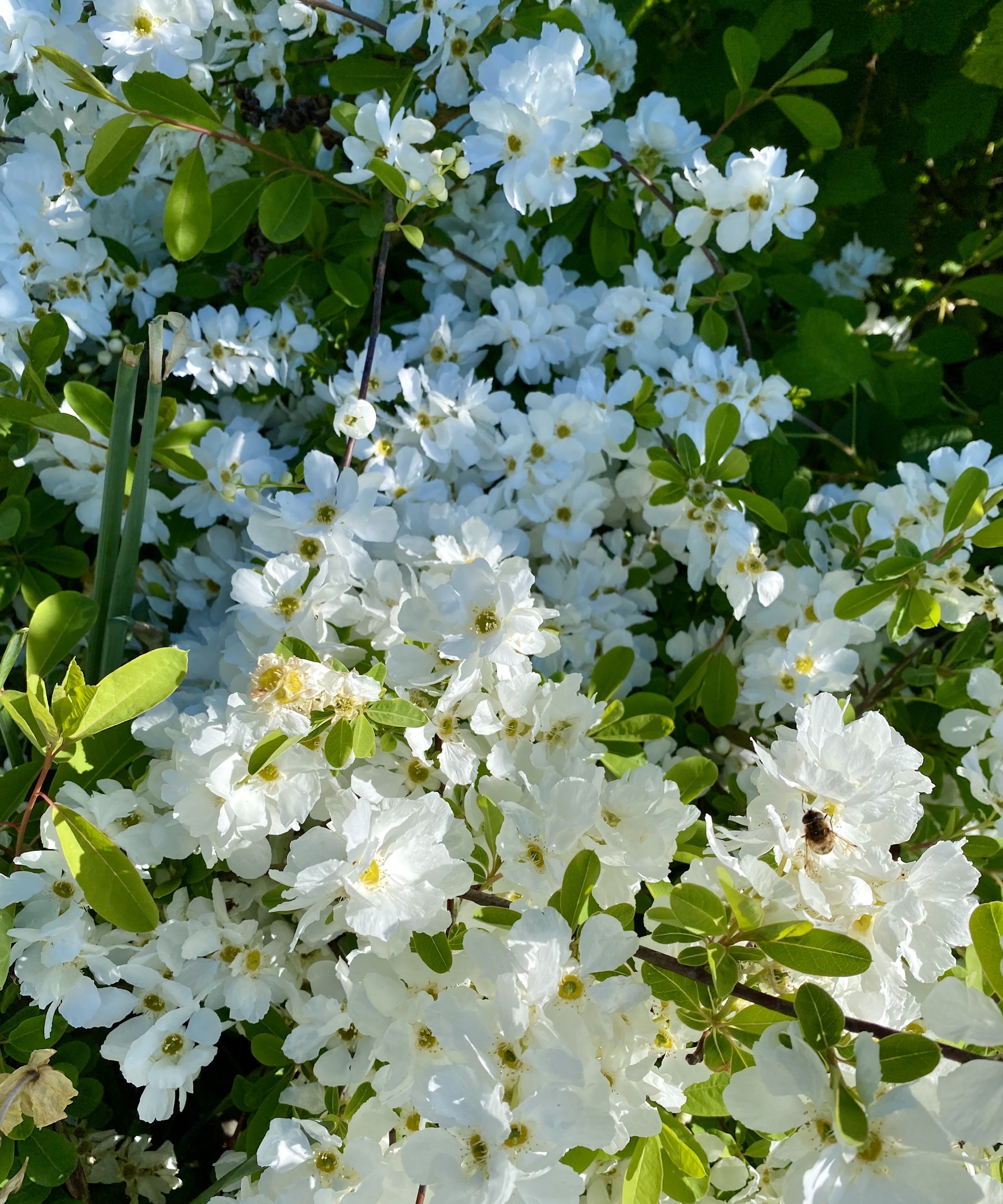
Another shrub never to prune in August is the pearl bush (Exochorda). Adored for its pure white flowers, which bloom from late spring to early summer, pearl bushes thrive in full sun or partial shade and on a moist, but well-drained soil.
As a deciduous shrub that flowers on old wood, you don’t want to prune too late in the year, as this will remove the following spring’s display. Instead, you should prune Exochorda after it has finished blooming, generally around June.
Having cared for many Exochorda specimens, I have found them to be one of the easier shrubs to maintain. To prune a pearl bush, cut back any flowering shoots by half, back to a bud or leaf joint, and remove any wayward or dead branches.
With a maximum height and width of 3-4 feet and suitable for growing in USDA zones 4-8, Snow Day® Surprise Pearl-bush is available to purchase from Plant Addicts.
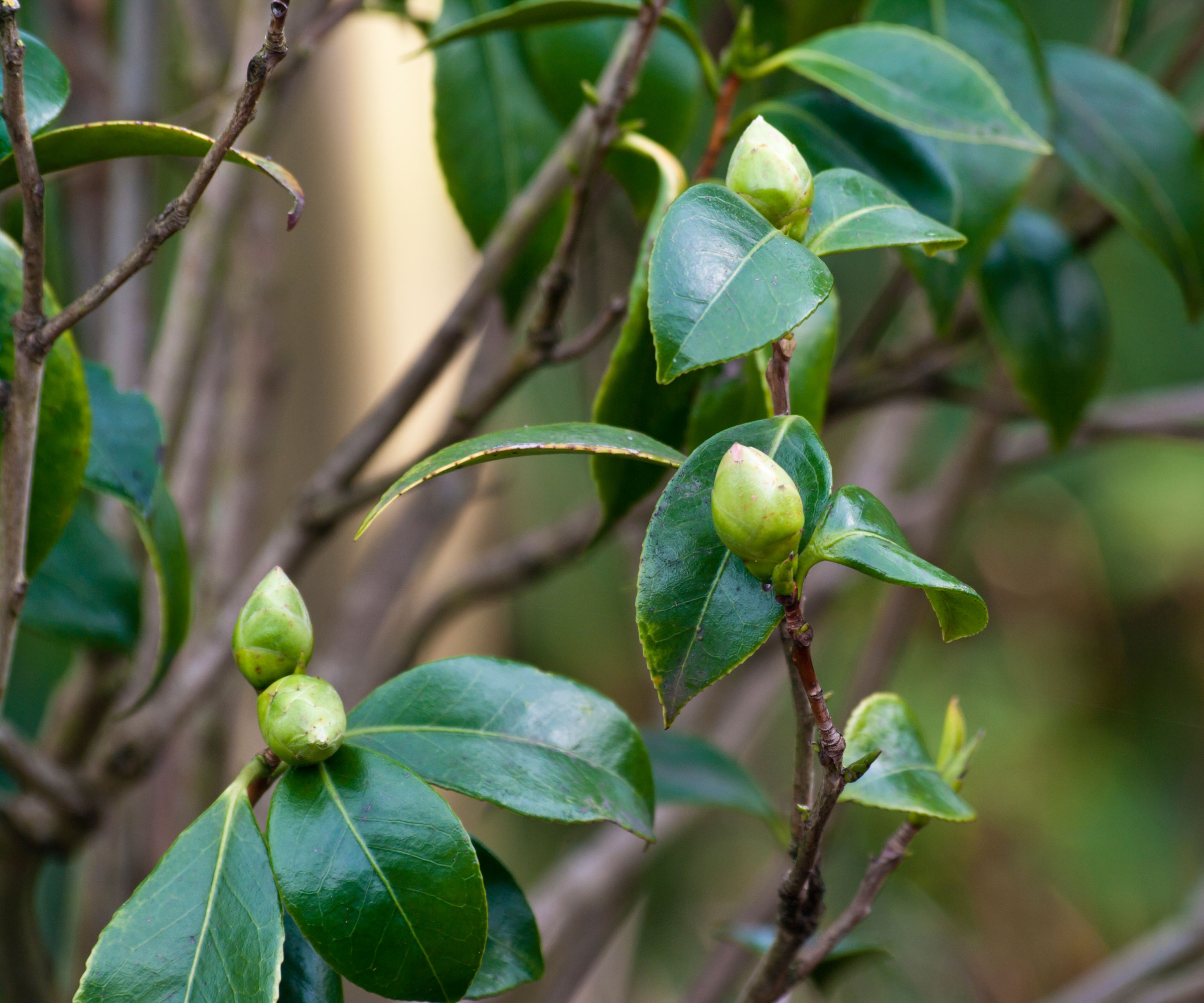
Camellia
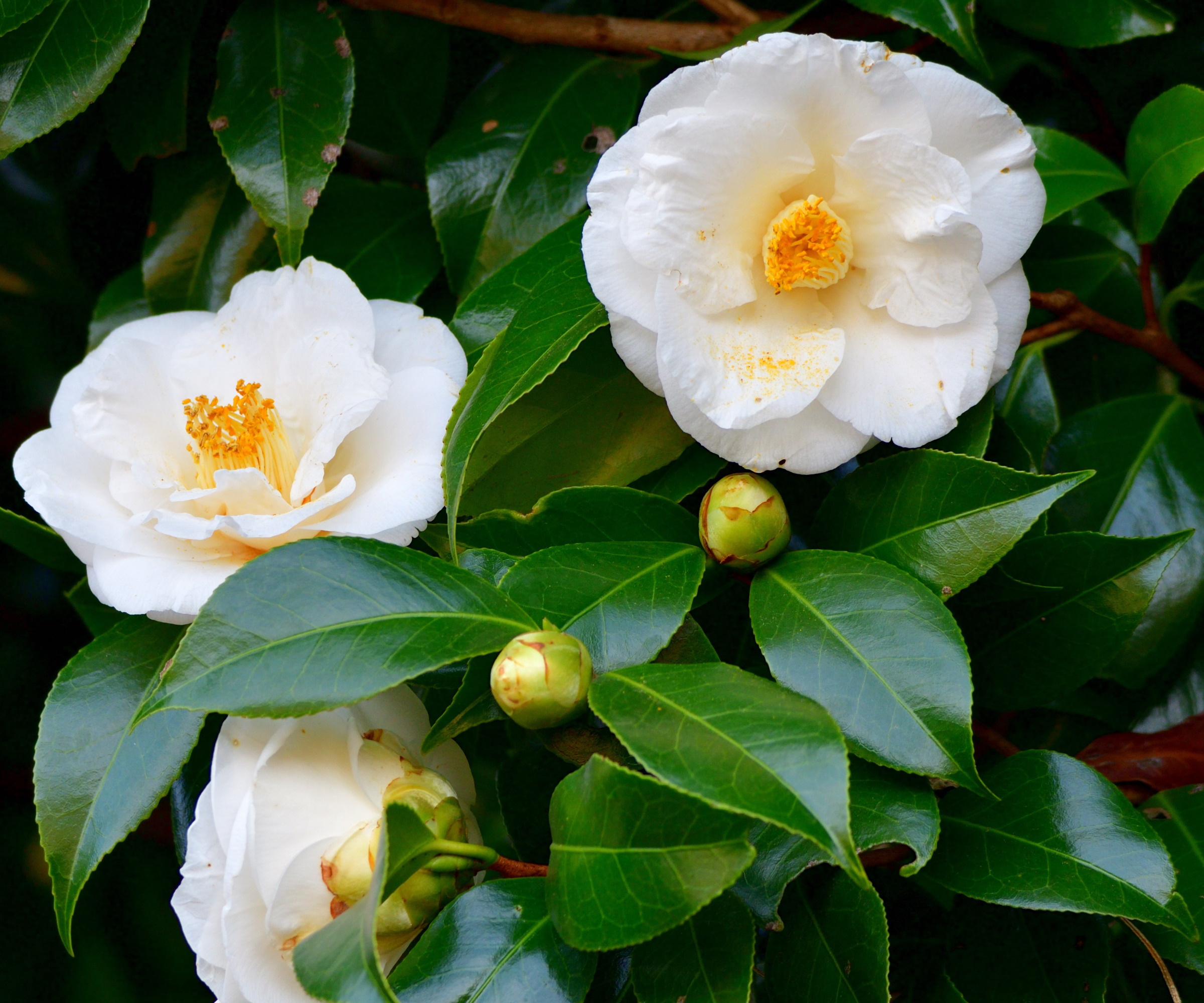
Flowering when little else is, spring-flowering camellias are a jewel in a winter garden. They develop large, showy blooms in shades of white, pink, red, and yellow, which contrast strongly with their glossy green foliage.
Preferring partial shade, ericaceous soil, and a sheltered spot, camellias are good for brightening up shaded areas and container growing. Nevertheless, camellias are not without their problems and are known to be temperamental.
Unlike Camellia sasanqua, which flowers in the autumn, Camellia japonica cultivars and Camellia × williamsii bloom from late winter through early spring and need to be pruned after the flowers fade, as new buds for next year quickly form. Instead of pruning them in August, you can keep them well-watered, especially during prolonged dry spells, which will support bud formation and a great flowering display next year.
Preferring rainwater to hard tap water, you can harvest rainwater using a water butt such as this RTS Home Accents rain barrel available from Lowe’s.
What to Shop
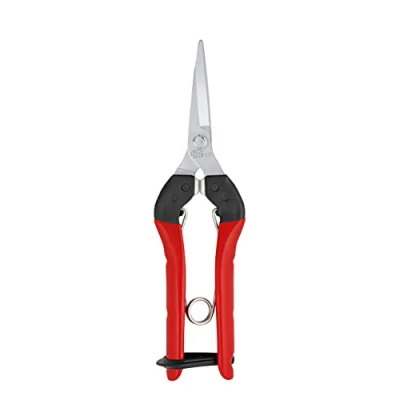
A pair of pruning snips comes in handy for small-scale trimming. Think deadheading, pruning tomatoes, snipping cut flowers, or harvesting vegetables, fruit, and herbs. See our full review of the Felco 322 Pruning Snips.
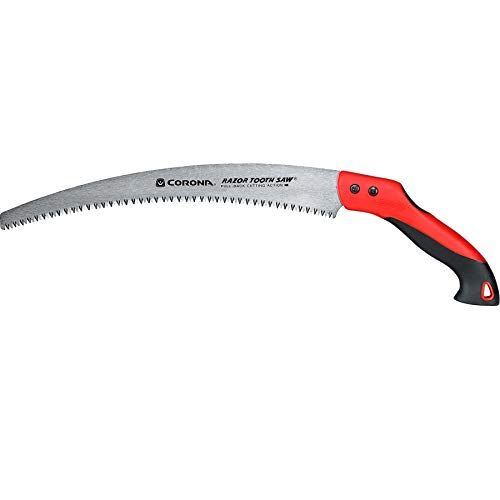
The long blade means it is not foldable and takes up more space to store away. But don’t let that put you off, as this pruning saw is super-sharp and super-strong.
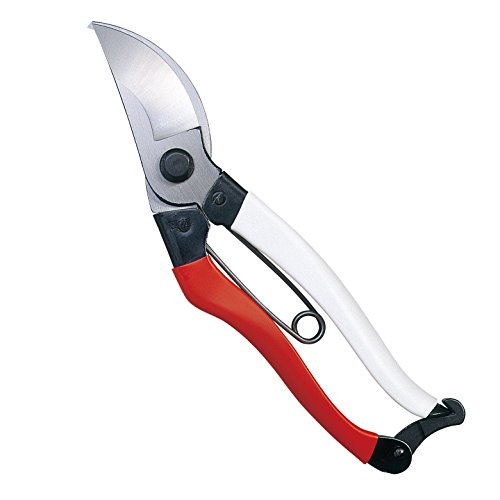
Japanese gardening tools such as these Okatsune ones are made to last. Such pruning shears are well-made, strong, and sharp, featuring a high-grade Japanese steel blade that cuts smoothly and a latching mechanism to keep the shears closed.
Pruning, especially if you have a large garden, can feel like a chore. But with the right tool, correctly serviced and well-sharpened, it can be done more quickly and even be satisfying.
From precision snips to pruning saws, our experts’ tips on choosing the right pruning tool will help the task at hand feel effortless.
If you love inspiring garden ideas, outdoor advice, and the latest news, why not sign up for our newsletter and get the latest features delivered straight to your inbox?
About the Author